How to help family without blowing your rental deductions
Quick truth: kindness isn’t a tax strategy. If your “rental” looks like a favour, CRA will treat it like a favour, and your write-offs can disappear.
The 20-Second Take
- Family + discount rent + thin paperwork = high audit risk.
- If CRA says there’s no real “source of income,” losses are denied.
- Courts look at the total picture (profit pursuit vs. personal support). One miss won’t sink you, patterns will.
- Even if you pass the profit test, CCA can’t create or increase a loss (Reg. 1100(11)).
What CRA Actually Says (Plain English)
- Rent to someone you know at below-market rates and create a loss? You can’t claim the loss. CRA often sees this as support/cost-sharing, not a business.
- You can claim a loss when renting to a relative at arm’s-length terms (market rent) with a credible expectation of profit, but you’ll need to show your work.
Why This Flares Up: The Cautionary Case
Blecha v. The King (2025 TCC 91)
- Son rents to his mother at below-market rates.
- No marketing.
- Property treated like a future personal residence.
Court’s Conclusion:
No genuine profit pursuit → no source of income → expenses disallowed → losses denied.
Why It Matters:
Courts apply the Stewart Test. Fail the first door (profit vs. personal) and none of the deduction rules even apply.
A 1-Minute Story (Happens Every Tax Season)
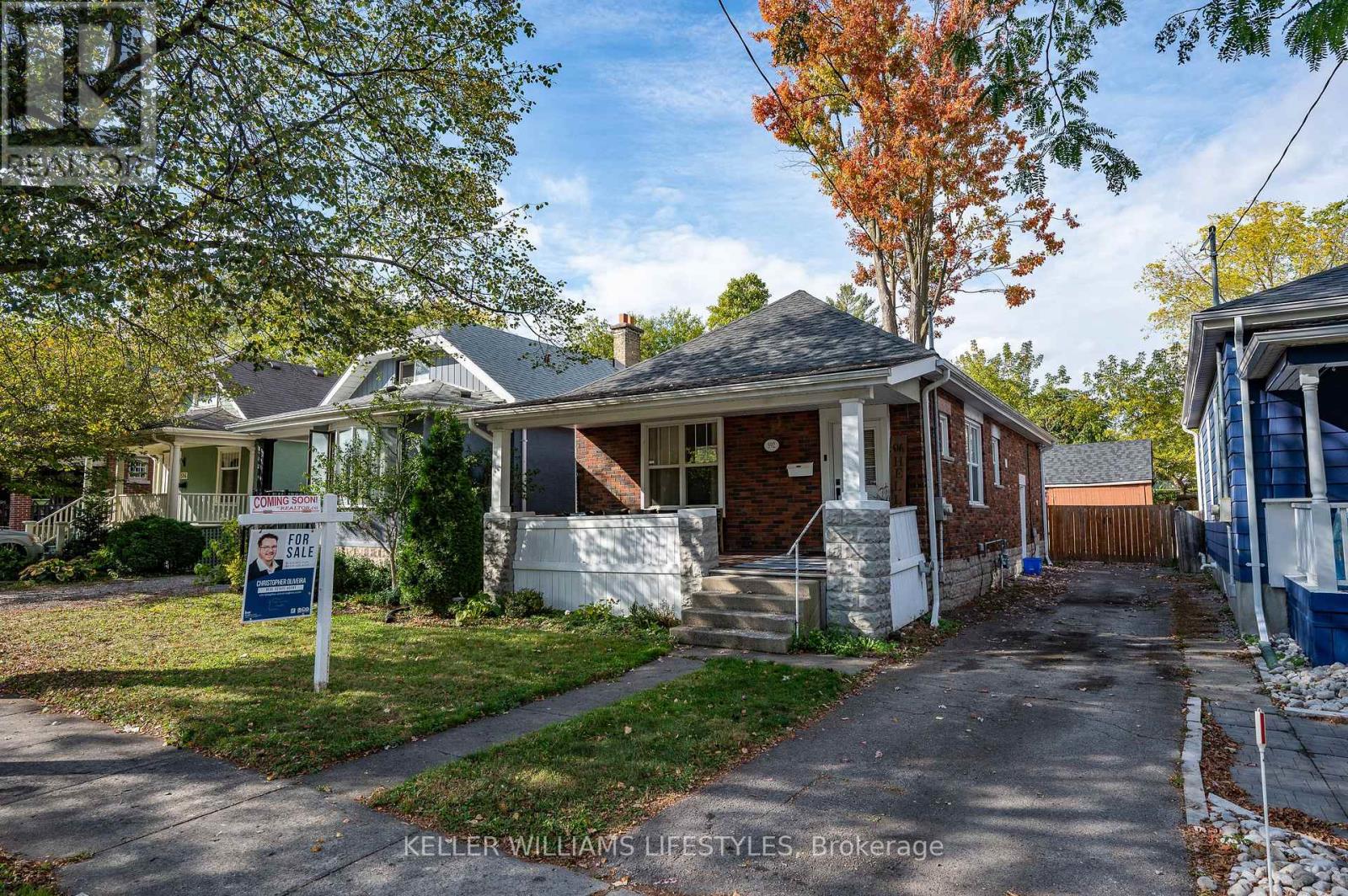
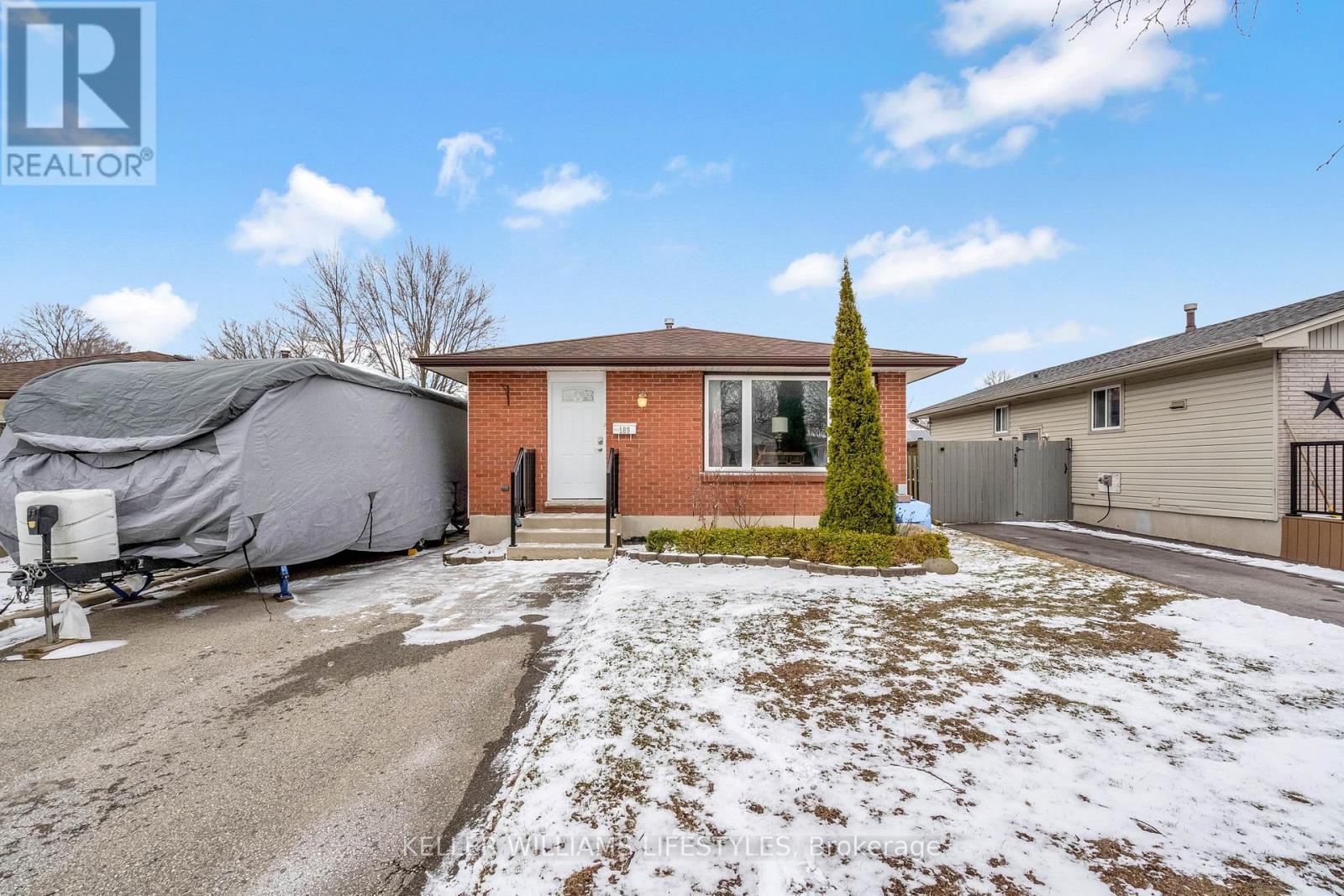
Alex buys a bungalow to rent out. His mom needs a place, so he charges “something reasonable,” never posts an ad, rent lands in his personal account, and he claims a tidy loss.
CRA looks at the whole picture and says:
“That’s support, not a commercial rental.”
Result:
- Expenses disallowed
- Loss denied
- Refund gone
If you aren’t pursuing profit, nothing else matters.
Spot the “Favour Flags”
The patterns that sink deductions:
- Relative as tenant + below-market rent
- No public ad, no screening
- No standard lease, no deposit, no late-fee or renewal terms
- Commingled money (rent into personal account)
- Renovations or talk of future personal use
If this feels familiar, you’re on thin ice.
Fix It Now: Your 7-Step Playbook
1. Price It Right
- Charge market rent
- Save dated screenshots of comparable listings or get a broker letter
2. Paper It Properly
- Standard lease
- Deposit
- Late-fee clause
- Renewal terms
3. Show Your Work
- Public ads with dated screenshots
- Basic application
- References or credit checks (where appropriate)
4. Separate the Money
- Dedicated rental bank account
- Clean ledger
- Receipts and tracking
5. Inspect & Document
- Move-in and move-out inspections with photos
- Work orders
- Maintenance schedule
6. Govern Like a Business
- A simple 1-page investment plan (hold, yield, exit)
- Annual rent review note
7. Know the Limits
- CCA cannot create or increase a loss (Reg. 1100(11))
- For short-term rentals, non-compliance with local rules means related deductions can be denied under ITA 67.7
Two Honest Playbooks (Pick One — Don’t Mix Them)
A) Commercial Family Rental (Safer for Deductions)
- Market rent proved with comps or broker note
- Public listing exists (keep screenshots)
- Standard lease + deposit + late-fee
- Separate bank account + tidy ledger
- Inspections, work orders, receipts on file
Signal:
“We’d rent to anyone on these terms — this just happens to be family.”
Remember: CCA cannot create/increase a loss.
B) Support Housing (Simple & Low-Risk)
- You intentionally charge below market
- You don’t claim a loss
- Many cases treated as cost-sharing
- Income and expenses may be omitted entirely
Signal:
“This is support, not a business.”
Quick Examples (Feel the Difference)
Risky
- Basement rented to your son at 60% of market
- No ads
- E-transfers to personal account
- “We might move in next year”
Likely Outcome:
CRA calls it personal → loss denied.
Safer
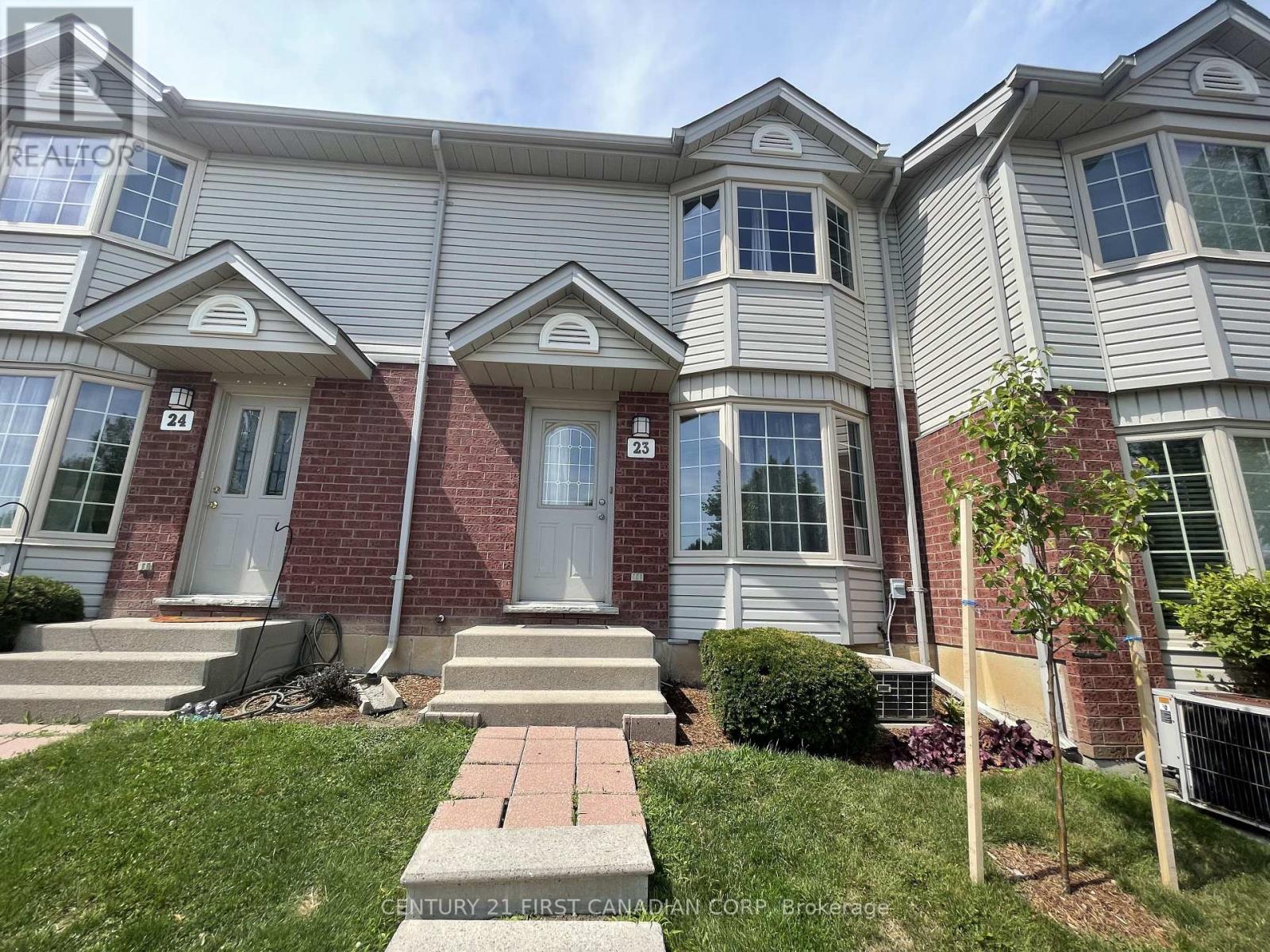
- Condo rented to your mother at market rate
- Comps and ad screenshots on file
- Standard lease with deposit/late fees
- Separate account & ledger
- Annual rent-review note
Likely Outcome:
Looks profit-seeking → deductions have a chance.
Extra Traps to Watch
- CCA cap: You cannot use depreciation to create or increase a rental loss.
- Short-Term Rentals (2024+): If you’re non-compliant with local permits/licensing, ITA 67.7 can deny all related deductions.
The 2-Minute Self-Audit
Ask yourself:
- Would a stranger get the same price and terms?
- Can you prove market rent and show that you advertised?
- Do you have a lease, deposit, late-fee, and separate banking?
- Do your renos and plans look like an investment, not caretaking?
If not, tighten up before claiming a loss.
Bottom Line
Renting to family isn’t forbidden. It’s high-documentation territory.
If the facts look like support, CRA will treat it like support — and your deductions won’t survive.
Either run it like a business you can prove, or skip the loss and keep your kindness (and your sanity).